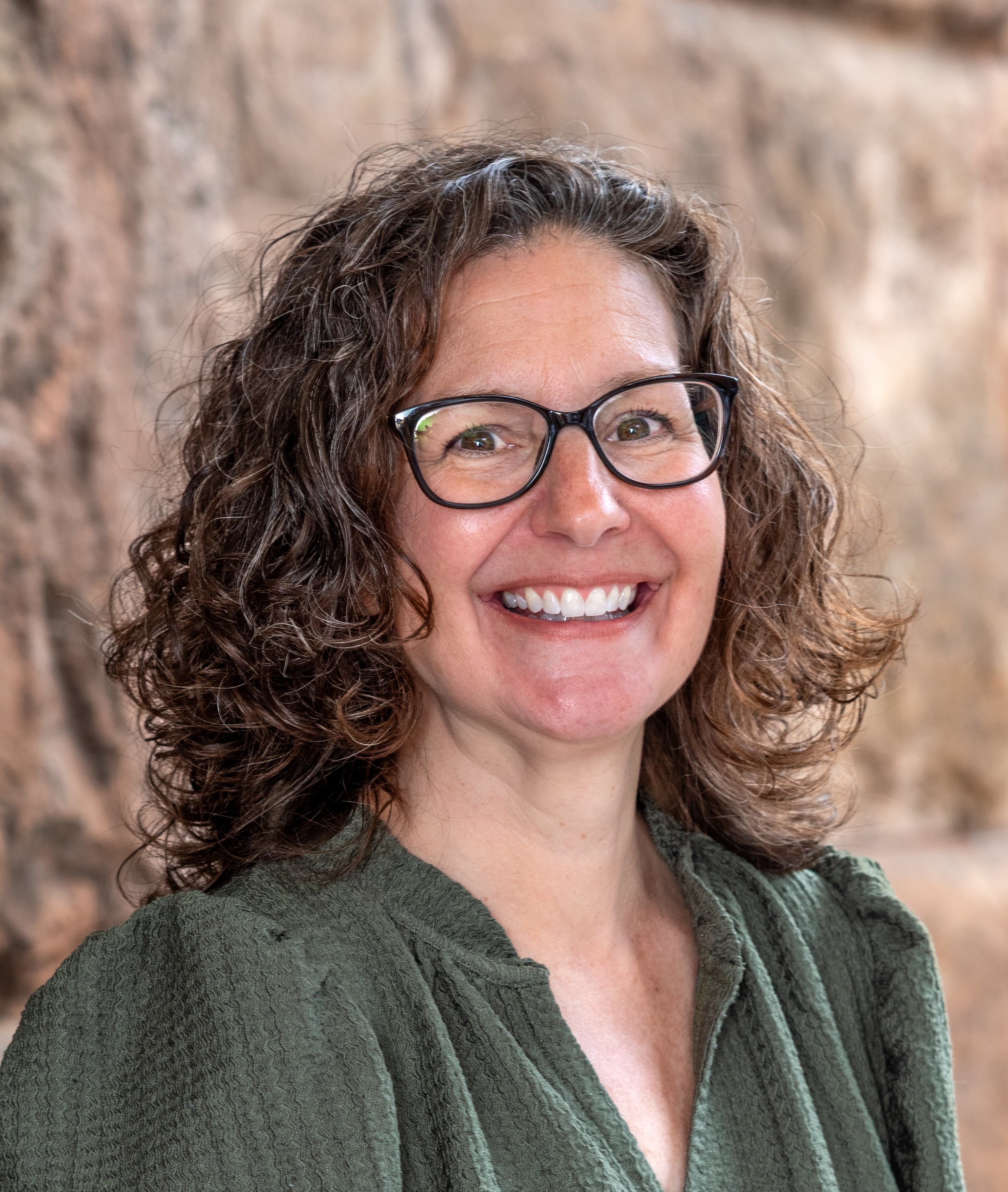
Kim Barrett chats Kingsley class placement, traditions, and "summer slide."
When a child is new to the school or moving up to the next level, how does Kingsley’s class placement process work? Are families involved in this decision?
At Kingsley, class placement is a thoughtful and collaborative process designed to support each child’s growth, confidence, and sense of belonging within the classroom community.
When placing students who are new to the school or moving up to the next level, we consider many factors, including classroom dynamics, relationships with peers and teachers, a child’s confidence and independence, and the balance of personalities and ages within each community. Our Montessori classrooms are carefully designed mixed-age environments, and we strive to create groups where children feel supported, connected, and ready to grow.
Families are absolutely part of the process. We value parent insight and invite families to share information that may help us better understand their child’s personality, friendships, interests, or any considerations they feel are important. While we cannot guarantee specific teacher or peer requests, family input is always thoughtfully considered alongside the knowledge and observations of our teachers and administrators.
Our goal is to create classroom communities where each child feels supported, challenged, and excited to learn.
Spring at Kingsley is a season of traditions and celebrations: Spring Tea, Kindergarten Marathon, Moving Up ceremonies, etc. Can you talk about the importance of tradition in Montessori education?
These spring traditions are some of my favorite events at Kingsley. They are joyful, meaningful celebrations that bring our community together and help mark important moments in a child’s growth. Events such as Spring Tea, the Kindergarten Marathon, and Moving Up ceremonies are more than celebrations; they are opportunities for children to feel a deep sense of belonging, accomplishment, and connection to their school community.
In Montessori education, traditions and rituals help create consistency, security, and community. Young children thrive on predictable rhythms and meaningful experiences, and these shared traditions become an important part of how they understand their place within the classroom and school. Children begin to look forward to these moments, often watching older students participate before eventually taking part themselves. This progression helps build confidence, anticipation, and a strong sense of identity within the community.
These celebrations also honor the whole child. They give children opportunities to practice independence, collaboration, grace and courtesy, and self-expression, while creating joyful memories with peers, teachers, and families. Whether a child is pouring tea for a guest, running alongside classmates during the Marathon, or participating in a Moving Up ceremony, each tradition reflects the Montessori belief that children grow through meaningful experiences and strong relationships.
At Kingsley, these spring traditions help us pause and celebrate not only academic growth, but also the confidence, kindness, resilience, and meaningful relationships that children develop throughout the year. There is something especially powerful about seeing almost the entire school gathered on the Esplanade, cheering on the Kindergarteners during the Marathon. Moments like these reflect the deep sense of community that is such an important part of Kingsley.
What should families know about “summer slide” at the Early Childhood level? What should children be working on during summer vacation?
At the Early Childhood level, we encourage families to think about summer as an opportunity for children to continue building independence, confidence, curiosity, and connection through everyday experiences. In Montessori education, so much of children’s learning happens through real life.
Whether children spend their summer at home, attend Summer in the City or a camp program, travel, or enjoy a combination of experiences, there are countless opportunities for meaningful learning and growth. Reading together, spending time outdoors, helping in the kitchen, gardening, caring for pets, going on walks, visiting the library, playing games, and having unstructured playtime are all incredibly valuable learning experiences for young children. These moments support language development, problem-solving, concentration, social skills, and creativity in ways that feel joyful and natural.
Summer is also a wonderful time to strengthen practical life skills and independence. Encouraging children to dress themselves, carry their own belongings, help prepare snacks or meals, clean up after themselves, and contribute to family routines helps build confidence and responsibility. These skills are deeply connected to success in the classroom.
For Early Childhood students, continuing to read aloud together regularly is a meaningful way to support literacy development over the summer. Singing songs, making up games with rhyming words, telling stories, labeling objects in the environment, and having rich conversations all help strengthen language skills. Children can also practice writing in playful and meaningful ways by drawing pictures, making signs, writing cards to family members, helping write the grocery list, keeping a summer journal, or practicing writing their name.
Math practice at this age should also feel hands-on and connected to daily life. Children can count apples into a bag at the grocery store, help set the table, sort and organize toys, measure ingredients while cooking, compare sizes and quantities, play family board games, or practice recognizing numbers in the environment. Simple activities like counting stairs, collecting and counting shells or rocks, or helping at the grocery store all support early numeracy skills in meaningful ways.
Whether experiences happen at home, at camp, or on family adventures, a summer filled with conversation, movement, relationships, and meaningful experiences helps children return to school feeling confident, connected, and ready to learn and grow.
If you have additional questions about your child’s specific growth areas, please connect with your classroom teachers at Kingsley’s Spring Conferences or at a later date. As always, we are eager to partner with you!
MEET THE WRITER:
Kim Barrett is Kingsley's Director of Early Childhood. She has a Master’s in Early Childhood Education from Lesley University and over 20 years of experience in early childhood education and nonprofit leadership. She has an exceptional knowledge of early childhood development, strong supervisory skills to support the growth of teachers, and a successful history of fostering a positive school culture.
.jpg&command_2=resize&height_2=85 "The Kingsley Entry Program: KEP 1 & KEP 2")
.jpg&command_2=resize&height_2=85 "Paying It Forward as an Admissions Volunteer")


.jpg&command_2=resize&height_2=85 "Supporting Your Child's Creativity")







.jpg&command_2=resize&height_2=85 "Qs with the HoS: June 2025")