
Our Vision
Academic Excellence. Empowered Learners. Kindhearted Leaders.

How do we live our Mission?
A World-Class, Montessori-Rooted, Progressive Program
Kingsley’s program is rooted in Montessori practice and philosophy, while embracing a robust, enriching, and progressive education for today’s children. Across each stage, students are encouraged to grow as individuals of character, developing the curiosity, confidence, and compassion they need to engage successfully with a diverse and exciting world.
A Vibrant School Community in the City
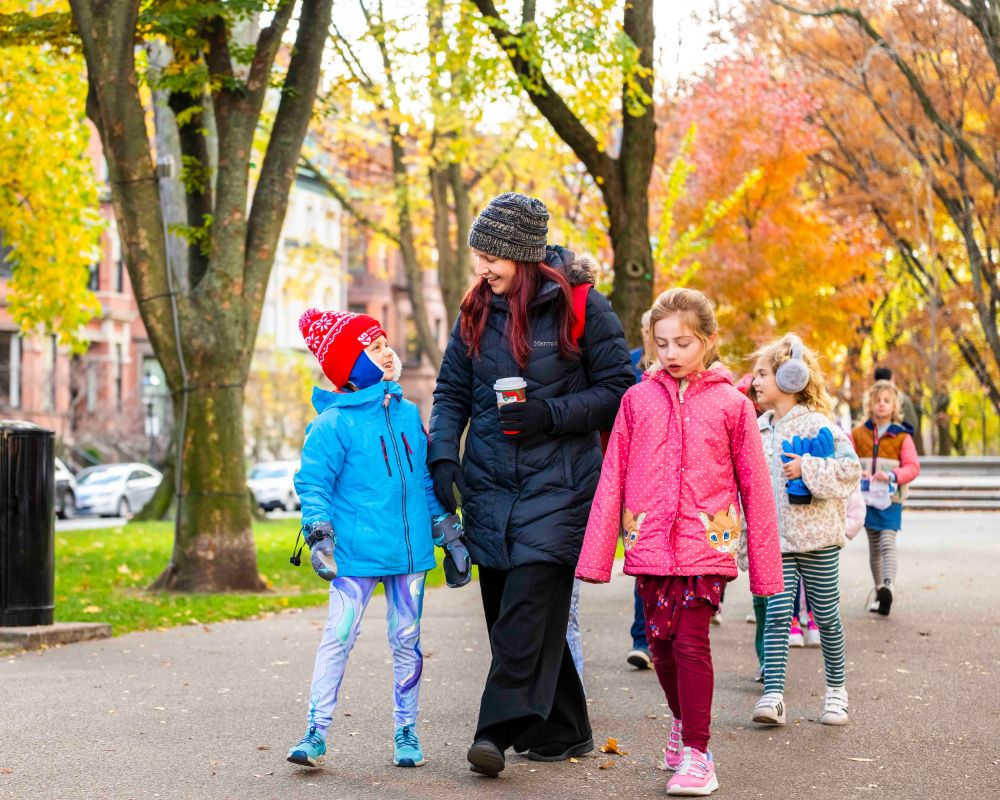
In the heart of Boston’s Back Bay, Kingsley offers a close-knit, diverse, and inclusive school community where every child and family is known. As a school of choice for early childhood and elementary education, Kingsley is committed to creating a genuine sense of belonging, supported by tuition assistance that helps more students benefit from a Kingsley education.
The Heart of the School: Extraordinary Faculty & Staff
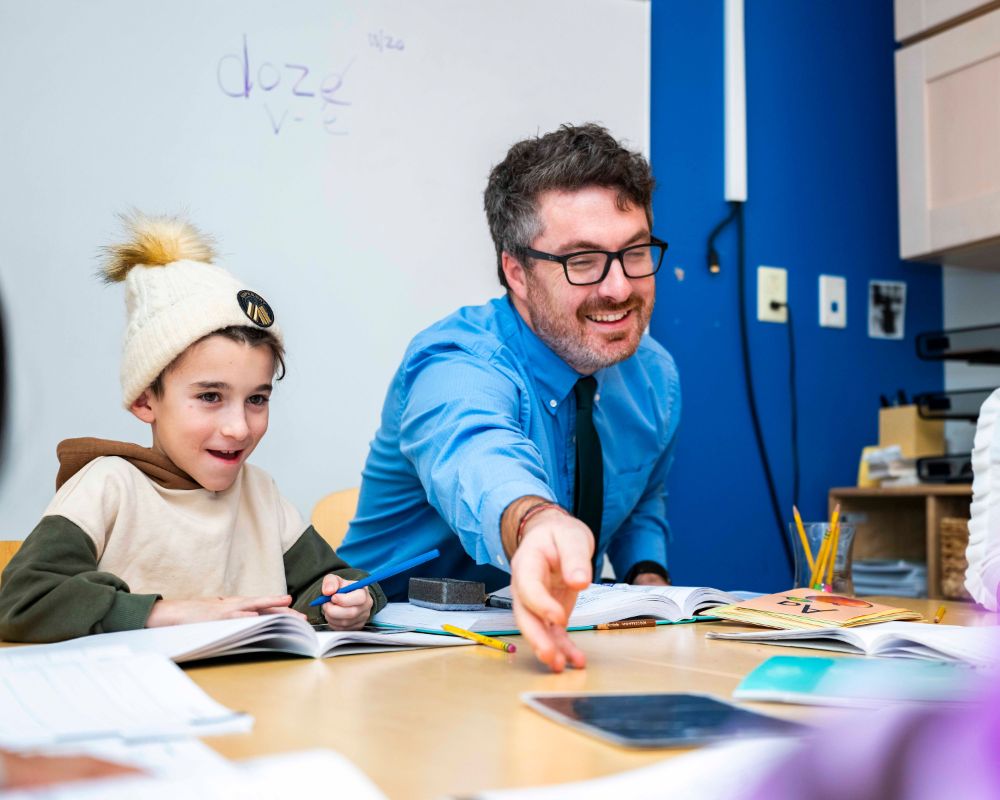
At the heart of Kingsley is an exceptional team of faculty and staff who bring deep expertise, care, and commitment to every child’s experience. The school invests in professional growth and long-term development, creating a positive workplace culture where wellbeing, inclusion, and excellence are valued.
Positioned for The Future
Kingsley is thoughtfully positioned for the future, with facilities that support a world-class education and the financial strength to remain resilient, ambitious, and responsive to the needs of its students and community.

At each level of the school–Toddler, Preschool, Lower Elementary, and Upper Elementary–teachers thoughtfully weave in materials and lessons that develop resilience, confidence, and empathy.
From reflecting on identity and who we are with our youngest learners to challenging projects that tackle social justice issues with our oldest students, Kingsley engages the mind, hands, and heart to encourage students to explore what makes us the same and what makes us different. Age-appropriate lessons examine how we treat each other, the language we use, and the actions we take to make a difference.

Kingsley DEI Mission Statement
A diverse, equitable, and inclusive community is integral to fulfilling our mission. Kingsley Montessori School strives to be a place where each person feels a sense of belonging and respect, recognizes and appreciates the richness that is added to our community through diversity, and is empowered to take action against injustices. We actively create such a community through our programming, our professional development, and our hiring, admissions, and governance practices. Approved by the Board of Trustees DEI Task Force in 2021
Goals for Early Childhood DEI Work
- Identity: Demonstrate self-awareness, confidence, family pride, and positive social identities.
- Diversity: Express comfort and joy with human diversity; accurate language for human differences; and deep, caring human connections.
- Justice: Recognize unfairness, have language to describe unfairness, and understand that unfairness hurts.
- Action: Demonstrate empowerment and the skills to act, with others or alone, against prejudice and/or discrimination.
Goals for Elementary DEI Work
- Identity: Recognize traits of the dominant culture, their home culture, and other cultures, and understand how they negotiate their own identity in multiple spaces.
- Diversity: Examine diversity in social, cultural, political, and historical contexts.
- Justice: Analyze the harmful impact of bias and injustice on the world, historically and today, and learn about figures, groups, and events relevant to the history of social justice around the world.
- Action: Recognize their own responsibility to stand up to exclusion, prejudice, and injustice and make plans for how they can contribute to a more socially just world.