In addition to its grounding in Montessori philosophy, the Upper Elementary program recognizes that, upon graduating from Kingsley, students move on to a variety of highly competitive middle school programs. Beginning in Lower Elementary, teachers work closely with students to build the skills and habits needed for this important transition. These expectations become increasingly meaningful each year and, by Upper Elementary, help shape each student’s individualized learning experience.
The program aims to instill a love of learning, research, and discovery; encourage students to make connections across disciplines; and develop confident, resourceful, independent learners.
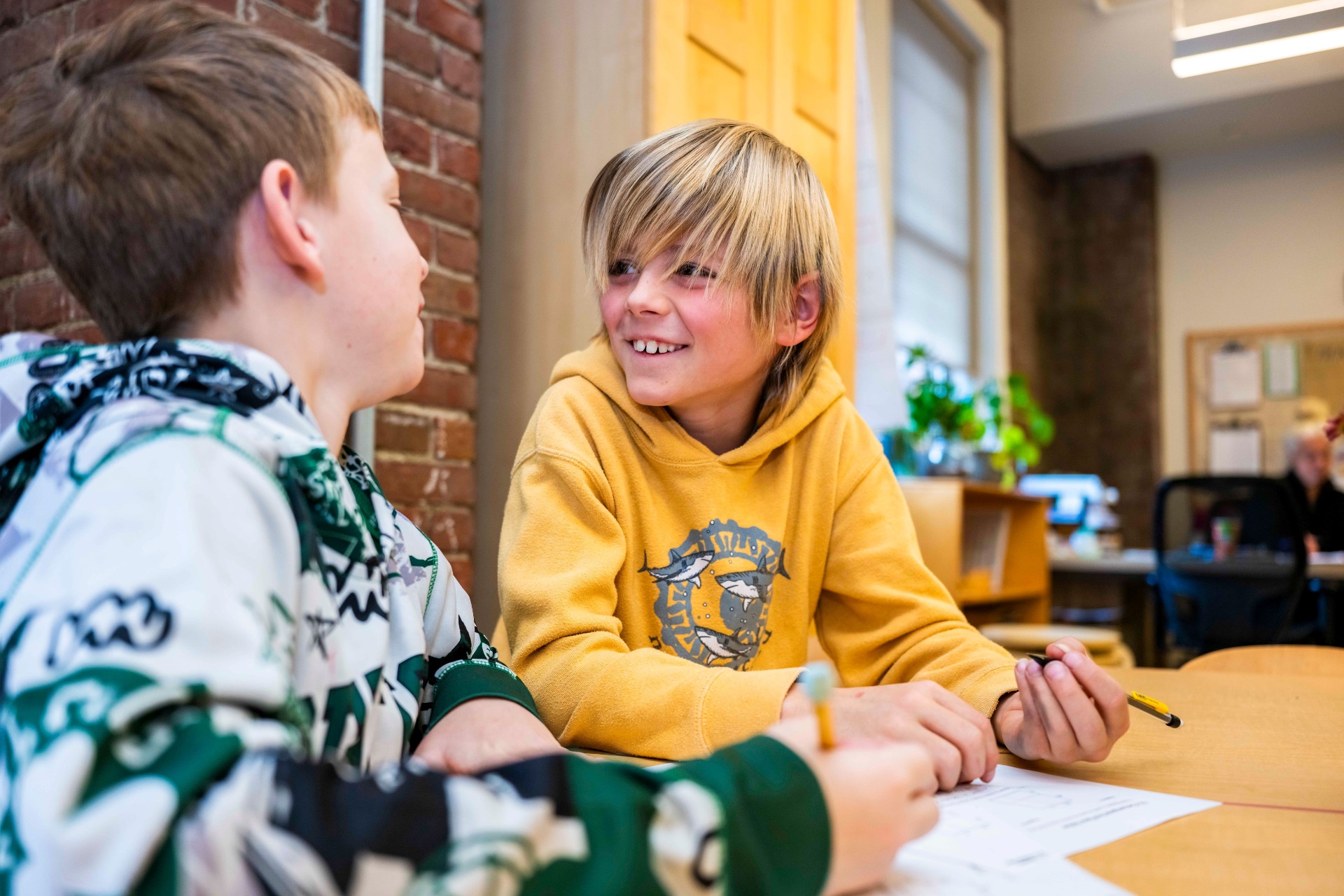
Upper Elementary classrooms are carefully prepared environments where students pursue work both independently and collaboratively. Students continue to utilize Montessori materials while also engaging with increasingly complex abstract concepts and lessons. A hallmark of the Upper Elementary program is students’ ability to internalize abstract concepts and apply them in new and creative ways when faced with unfamiliar problems. The highly integrated curriculum encourages interdisciplinary thinking and supports students in developing a growth mindset. Students are encouraged to seek out, discover, and create the resources they need in order to achieve their goals.
Curriculum Highlights
Upper Elementary Practical Life Programs
Practical Life skills evolve significantly during the Upper Elementary years. Students continue learning at their own pace while also taking on increasing responsibility as role models and leaders within the Kingsley community.
Upper Elementary Practical Life programs provide students with opportunities to learn through real-world experiences while building upon the work they do in the classroom.
These immersive experiences are designed specifically for each grade level and reflect the academic, social, and emotional growth students develop throughout their time at Kingsley. Through these programs, students gain a deeper understanding of their local and global impact and learn how they can contribute positively to the world around them.
Fourth Grade
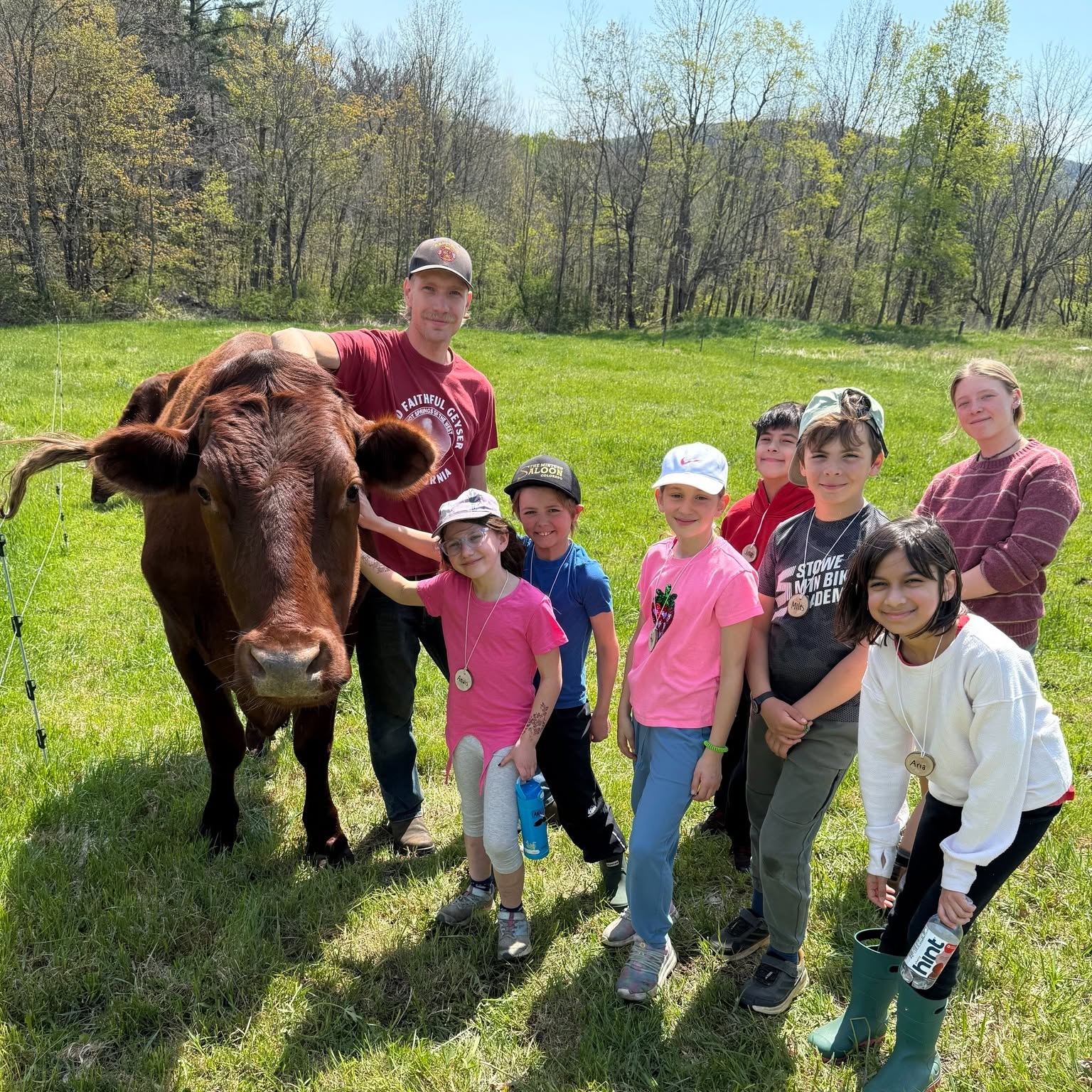
Farm School
Fourth Graders participate in the Farm School program as their Practical Life experience. In preparation for their spring visit to Red Gate Farm, students study agriculture, horticulture, and agronomy while exploring the methods and challenges of modern farming. They compare contemporary farming practices with historical methods, building connections to their current Cultural studies unit.
Students also research the daily life of farmers, farming methods, and crops connected to the settings of their creation myths. Throughout the program, students apply their science, reading, writing, and visual arts skills through collaborative projects and hands-on explorations.
Fifth Grade
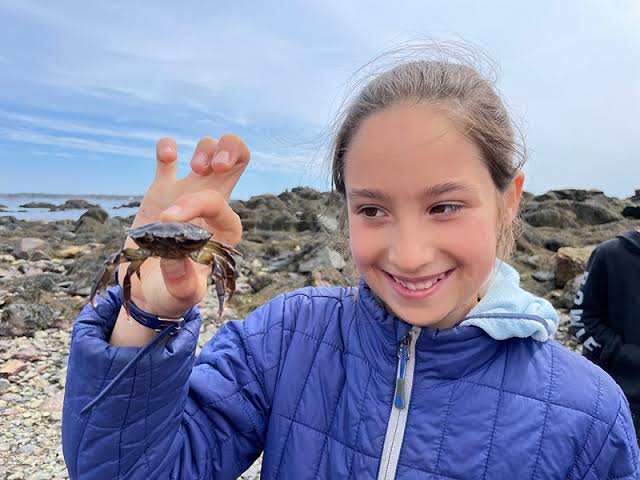
Ocean School
Fifth Graders participate in the Ocean School program, where they engage in hands-on design challenges and explore the history and importance of sailing and whaling in New England. Students research various nineteenth-century maritime roles, build a model whaling village, and participate in a historical role-playing simulation connected to Mystic Seaport.
The program culminates in a three-day Ship to Shore experience at Mystic Seaport, where students deepen their understanding of the economic, cultural, and scientific impact of the sailing industry on New England and the wider world.
Sixth Grade
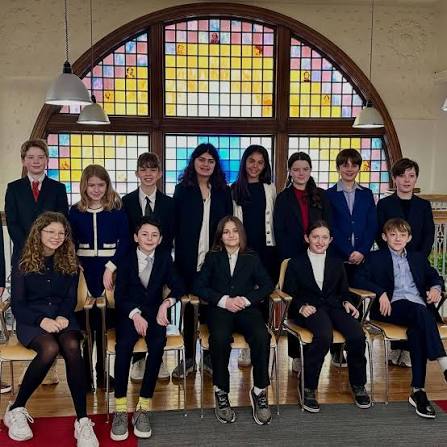
Montessori Model United Nations
The Montessori Model United Nations (MMUN) program allows Sixth Grade students to apply the skills they have developed throughout their time at Kingsley to better understand global issues and the role individuals can play in creating positive change. Students conduct extensive research on assigned countries and represent those national perspectives in a global forum.
The program culminates in a three-day conference where students participate in mock United Nations sessions modeled after real committee meetings. In addition to learning UN procedures and debating current global issues, students develop skills in public speaking, collaboration, negotiation, and consensus building.
Through MMUN, students gain a deeper understanding of human and civil rights, world politics, environmental and climate issues, and the importance of thoughtful dialogue. They also have the opportunity to connect with students from around the world in a collaborative and meaningful experience centered on peaceful discourse and global citizenship.