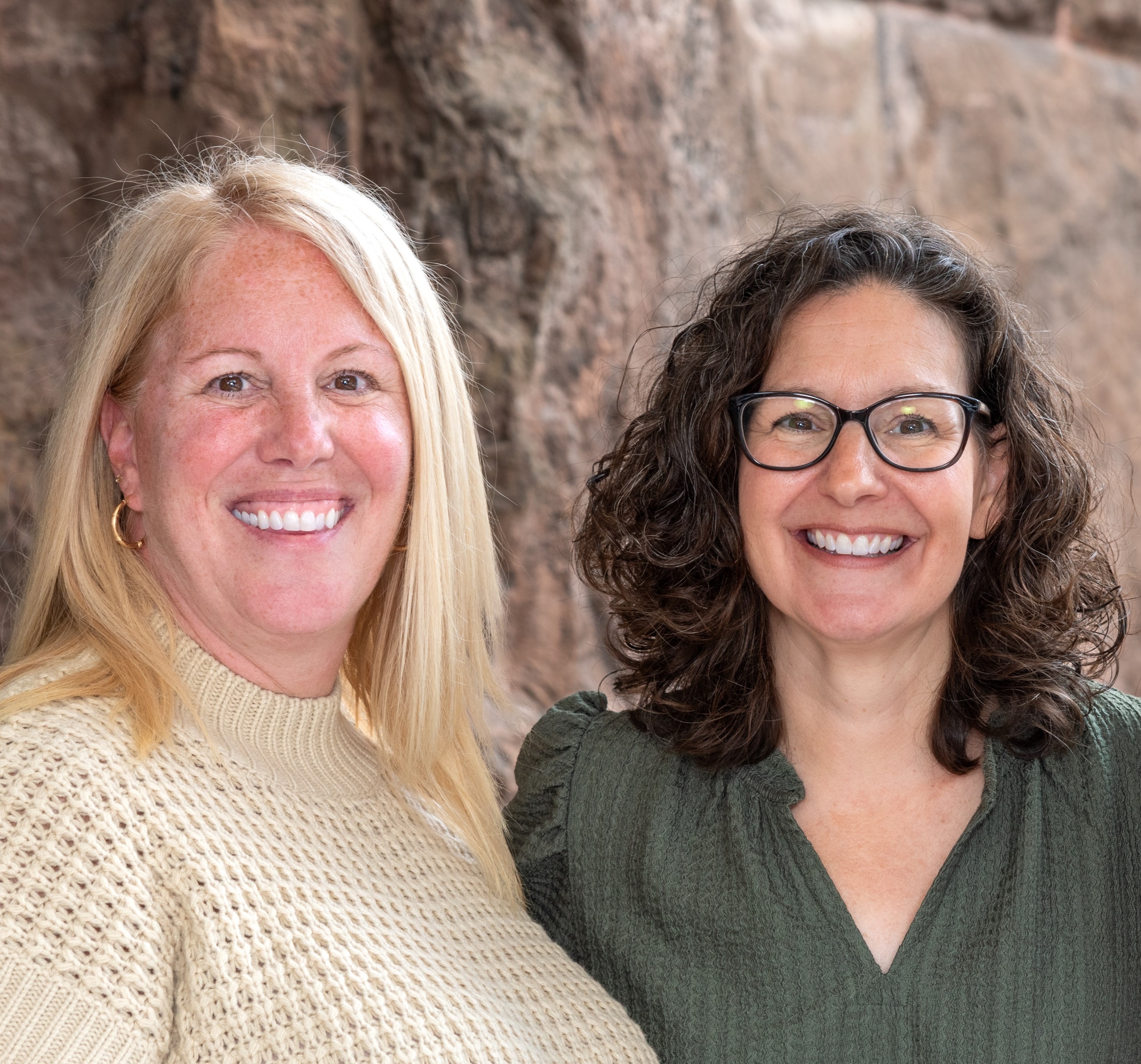
Early Childhood Insights with Kim Barrett & Kristin Black
How do you see Maria Montessori’s philosophy as modern and relevant in 2025? Is there an element of her work that you feel the strongest connection to?
Kim: One of my favorite things about Montessori education is its focus on the whole child, which feels more relevant than ever. Maria Montessori’s approach recognizes that children’s intellectual, social, emotional, and physical development are all deeply connected. In Montessori classrooms, children engage in hands-on learning and sensory experiences that spark curiosity and bring concepts to life, while also learning to care for one another and their environment, developing kindness, empathy, and a strong sense of responsibility. By nurturing the whole child, Montessori education helps children grow into thoughtful, capable, and compassionate individuals who are prepared to contribute positively to the world around them.
Kristin: For me, the cornerstone of the Montessori approach is Practical Life work. These activities are essential for helping children develop both fine and gross motor skills, strengthen concentration, build problem-solving abilities, and nurture a strong sense of independence and self-confidence. They also lay the foundation for future academic skills, including reading and writing. Simple tasks like buttoning a coat or tying a shoe foster a sense of accomplishment and pride, further boosting a child’s self-esteem.
Do you have any educators or parenting experts who you follow, or seek advice from?
Kim: I’m very interested in current research on how early experiences, especially adversity, impact brain development, behavior, and long-term well-being. The Center on the Developing Child at Harvard has done powerful work showing how toxic stress in early childhood can disrupt the developing brain, especially without the presence of stable, responsive relationships. That science aligns with what Dr. Dan Siegel and Dr. Tina Payne Bryson talk about in The Power of Showing Up. They emphasize how just being consistently present and emotionally available as a caregiver can profoundly shape a child’s sense of safety and connection. It’s a hopeful reminder that even in the face of early adversity, strong, attuned relationships can build resilience and support healthy development.
Kristin: I have a strong interest in the Science of Reading, a research-based approach that examines how individuals learn to read and identifies the most effective instructional practices. Rather than endorsing a single method, it offers a comprehensive framework for developing proficient readers.
In addition to this, I often draw inspiration from books such as The Montessori Baby and The Montessori Toddler by Simone Davies, which emphasize child-led learning and respect for developmental stages. I also appreciate How to Talk So Kids Will Listen & Listen So Kids Will Talk for its practical guidance on building strong, respectful relationships with children.
What advice can you give to families who feel overwhelmed or underwater in the day-to-day work of parenting?
Kim: It’s important to give yourself grace along the way. Focus on celebrating the small moments, reading together, sharing a meal, or taking a few minutes to talk about feelings. These simple interactions create meaningful connections and remind children that they are loved and supported.
Equally important is caring for yourself; when caregivers are calm and present, children thrive. Remember to lean on your community, whether that’s family, friends, teachers, or other parents, for encouragement and support. Most of all, remember that perfection isn’t the goal—learning and growing alongside your child is just as valuable as teaching them.
Kristin: Parenting is one of the most challenging yet deeply rewarding roles—especially in today’s world. When we feel overwhelmed, our children often pick up on that energy. One approach I’ve found helpful is the breathe and pause method. By taking a moment to stop and breathe before reacting, we give ourselves space to regulate our emotions and respond more intentionally.
This practice not only supports our own well-being, but also sets a powerful example for our children. Life’s challenges are inevitable, but developing self-awareness and practicing self-care can make a big difference.
A large part of your work is supporting and leading the Early Childhood teachers. What are some of your main goals around teacher leadership this year?
Kim: In my second year at Kingsley, as I spend time in each classroom, I am continually impressed by the high level of professionalism and talent demonstrated in our Early Childhood division. My goal is to support teacher leadership by fostering an environment where educators feel empowered to take initiative, lead from within their classrooms, and influence broader educational practices. Achieving this requires cultivating a culture of trust, respect, open communication, and collaboration. It also involves providing dedicated time for professional development and encouraging teachers to draw on one another’s expertise as a valuable resource. Ultimately, our shared aim is to enhance student learning.
Success this year will look like a joyful, reflective, and collaborative teaching community. When teachers feel supported and connected, they can bring even more energy, creativity, and care to the children. And when children see their teachers working together with curiosity and kindness, they experience the very values we hope to instill.
Thank you for reading!
MEET THE WRITERS:
Kim Barrett is Kingsley's Director of Early Childhood. She has a Master’s in Early Childhood Education from Lesley University and over 20 years of experience in early childhood education and nonprofit leadership. She has an exceptional knowledge of early childhood development, strong supervisory skills to support the growth of teachers, and a successful history of fostering a positive school culture.
Kristin Black is Kingsley's Assistant Director of Early Childhood Education. She holds multiple degrees in Special Education and Elementary Education with a focus on reading. She has over 20 years of experience in early childhood through middle school education, specializing in social-emotional learning and family engagement. She has worked in both independent and public schools, and is passionate about building strong partnerships and creating nurturing, enriching environments where children thrive.
.jpg&command_2=resize&height_2=85 "The Kingsley Entry Program: KEP 1 & KEP 2")

.jpg&command_2=resize&height_2=85 "Paying It Forward as an Admissions Volunteer")


.jpg&command_2=resize&height_2=85 "Supporting Your Child's Creativity")






.jpg&command_2=resize&height_2=85 "Qs with the HoS: June 2025")